





Danielle Shpiner
Danielle Shpiner focused on reducing disparities in advanced-care planning and treatment access among Hispanic and female patients with Parkinson’s disease

Kemi Doll
Kemi Doll improved diagnosis, treatment, and advocacy for Black women with endometrial cancer facing delayed care

Tiffany Green
Tiffany Green studied racial and immigrant-status inequities in maternal and infant health, especially affecting Black and immigrant mothers
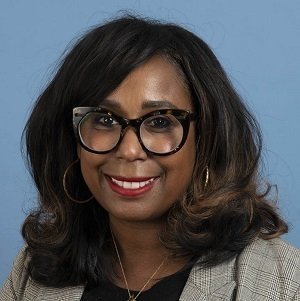
Eraka Bath
Eraka Bath improved mental-health services and justice-system support for foster-care and juvenile-justice-involved youth from marginalized communities
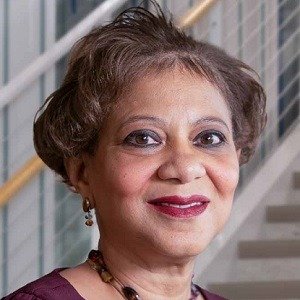
Lisa Cooper
Lisa Cooper pioneered interventions improving doctor-patient communication and community engagement to reduce racial health inequities


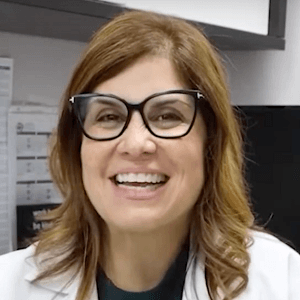
Marcia Cruz-Correa
Marcia Cruz-Correa led efforts to reduce colorectal and hereditary cancer disparities among Hispanic and Puerto Rican populations

Chandra Jackson
Chandra Jackson researched how social and environmental factors drive racial disparities in sleep and metabolic health

Eliseo Pérez-Stable
Eliseo Pérez-Stable improved tobacco-cessation and chronic-disease outcomes among Latino communities and other underserved groups
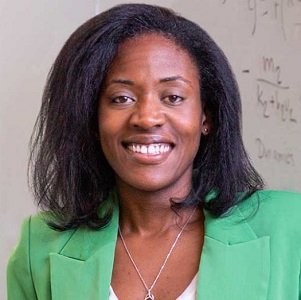
Renee Brady-Nicholls
Renee Brady-Nicholls reduced cancer inequities by developing mathematical models of treatment differences, especially among Black and white prostate-cancer patients
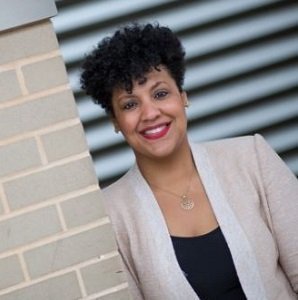
Avonne Connor
Avonne Connor studied breast-cancer outcomes among African-American, Hispanic and underserved women and the factors that contribute to unequal outcomes


Esperanza Diaz
Esperanza Díaz founded a Hispanic Psychiatry Fellowship and expanded mental-health services tailored for Latinos with limited English proficiency
Chandra Jackson
Chandra Jackson researched how social and environmental factors drive racial disparities in sleep and metabolic health
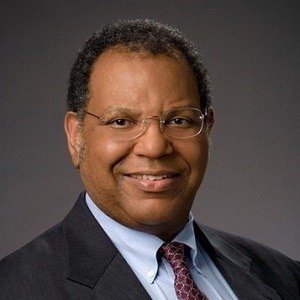
Otis Brawley
Otis Brawley fought cancer inequities by exposing delayed diagnoses and poorer treatment among Black patients and underserved communities
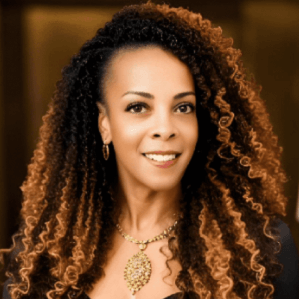
Wizdom Powell
Wizdom Powell focused on reducing health inequities among African American men by examining how racism and masculinity norms impede help-seeking

Mary Bassett
Mary T. Bassett centered her work on structural racism’s impact on Black, Latinx and Indigenous communities’ health outcomes